Abuja roads can be unpredictable. Whether you drive daily or occasionally, these habits could save your life or someone else’s.
1. Know your dangerous corridors
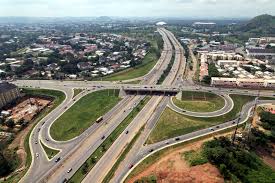
Some roads in Abuja have a history of accidents at specific points. Airport Road, Kubwa Expressway, and the Nyanya axis are consistently reported as high-risk. If you drive these routes, increase your following distance and reduce speed before known bottlenecks.
2. Never assume a pothole is small
A pothole that looks shallow from inside your car can be deep enough to destroy a tyre or throw you into oncoming traffic. Slow down and go around where you can.
3. Your hazard lights are not a parking permit
Stopping on the carriageway with hazard lights on is dangerous, not courteous. If you must stop, get fully off the road. A stationary car on a moving road is an accident waiting to happen.
4. Avoid driving in floodwater
Abuja’s drainage infrastructure means flooding during heavy rain can appear suddenly and without warning. Thirty centimetres of fast-moving water is enough to sweep a small vehicle. If you cannot see the road surface, do not drive through it.
5. Watch for motorcycles at junctions
Delivery riders and okadas frequently filter through traffic and run amber lights. At any junction, check your mirrors and blind spots before moving, not just the road ahead.
6. Keep your fuel above a quarter tank
Running out of fuel on a fast road at night in Abuja is not just inconvenient, it is dangerous. Keep a buffer and plan fuel stops before long journeys, especially on inter-city routes.
7. Report what you see
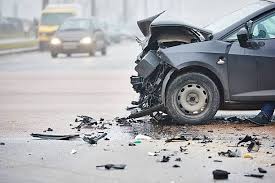
If you witness an accident, a dangerous road condition, or a blocked carriageway, report it on Heed. The person behind you five minutes later does not know what is ahead. Your report can prevent the next incident.
8. Do not stop to watch accidents
Rubbernecking causes secondary accidents regularly. If you are not stopping to help and you are not emergency services, keep moving and report the incident on Heed when you have safely pulled over.
9. Night driving demands more distance
Your stopping distance at 80km/h in the dark is longer than your headlights illuminate. Reduce your speed at night and increase your following distance significantly.
10. Trust your instincts about routes
If a route feels unsafe tonight, take another one. Your instincts about your city are data. Heed exists to give that data structure so everyone benefits from it.
Tags
Take action
Saw something on your street?
A thirty-second report protects everyone walking that street after you.
Report an incident